
What to Expect – Initial Assessment
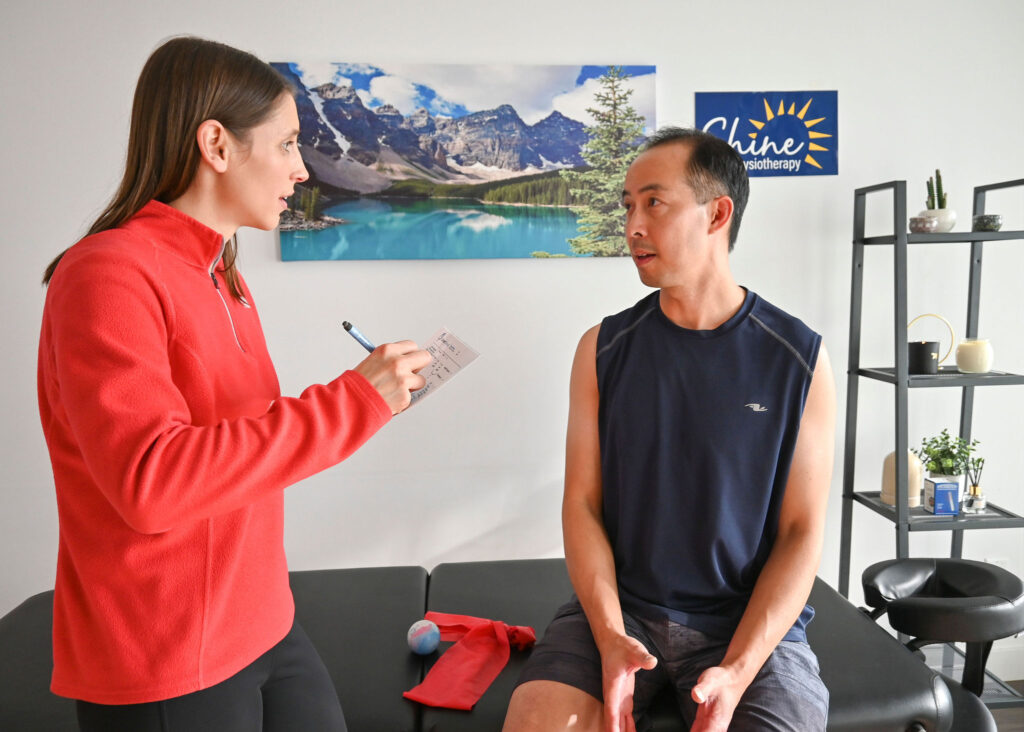
Detailed injury and symptom history
We’ll start by discussing the specifics of your past injuries and symptoms to get a clear picture of what you’ve been through. Even something as minor as an old ankle sprain can affect how the rest of your body moves and may be a key factor in what’s holding you back from a full recovery.
Movement analysis
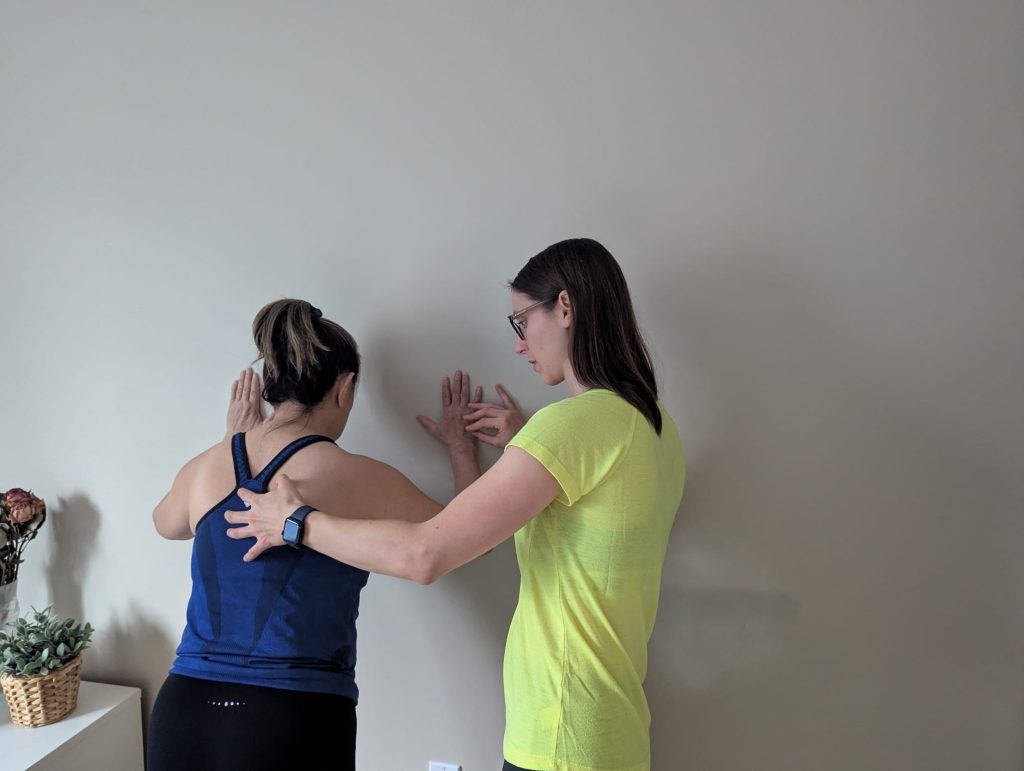
Together, we’ll take a close look at how you move during activities that matter to you – especially if something hurts, feels restricted, or just feels off. Whether it’s lunges, running, reaching for something on a high shelf, or even sitting, we’ll assess your movement to find the key areas that need attention.
Targeted assessment
Based on what we see in your movement, we’ll focus on specific areas of your body that aren’t moving as well as they should. This helps us understand what’s contributing to your pain or discomfort and gives us a clear starting point for what needs to change to help you improve.
Cause vs. Effect
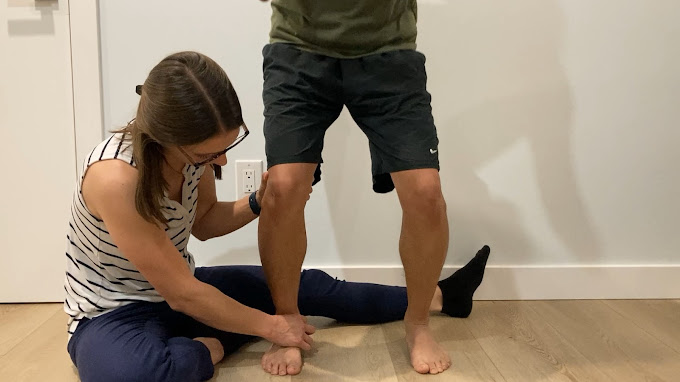
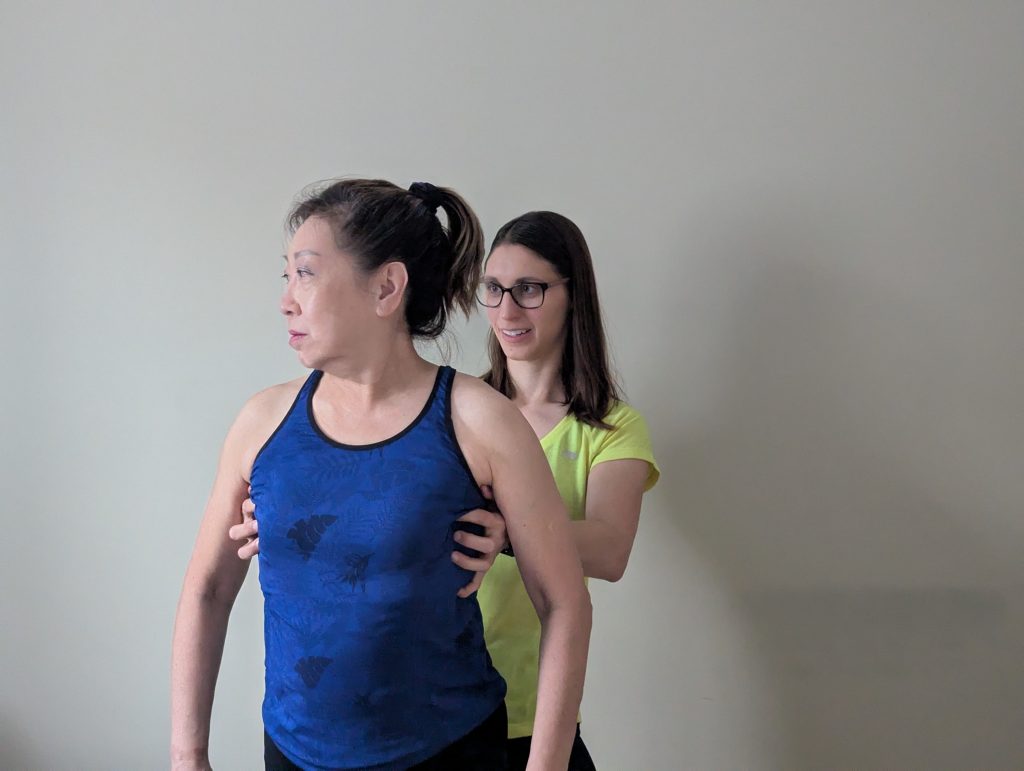
Once we understand how your body is moving, we’ll go one step further to determine if the issue lies in that specific area or if another part of your body is driving the problem. Our bodies are very capable of compensating, so the root cause could be anything from your rib cage to your knee, shoulder, or pelvis.
See what you can expect from our treatment sessions here